
Trauma and the brain
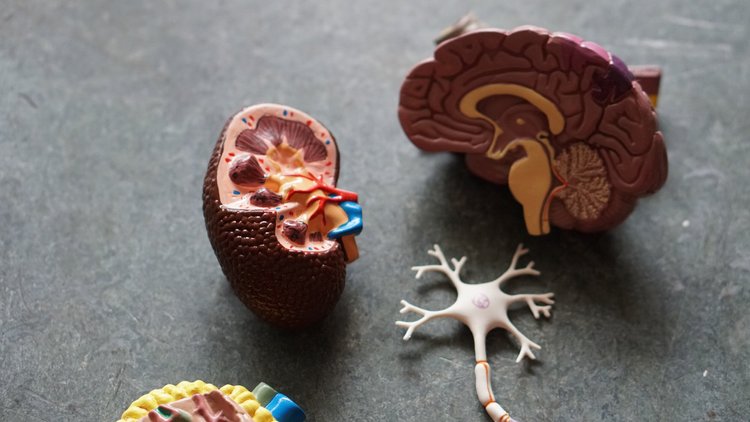
Trauma changes our brains. The hippocampus is where new information and short-term memories move into long-term memory. Next to it sits the amygdala, the instinctive part of the brain some call the "lizard brain."
When our thinking brain, the prefrontal cortex, senses danger, it goes offline. The amygdala then instinctively chooses fight, flight or freeze, whichever is most likely to protect us in that moment. This isn't a conscious choice, because the thinking brain isn't working. Without context from the thinking brain, the hippocampus can't properly record and process the memory.
Instead, the amygdala records the event like a Polaroid camera clicking over and over, the photos dropping to the floor as they slide out. When you look down at the pile, you have no idea what order they go in. The memory is stored in a way that isn't adaptive, because it never went through the hippocampus.
Later, when something scary or uncomfortable happens, you may be "triggered" and feel the emotions of the old memory, even though they don't fit the present. Others may see you as overreacting. This also explains why people who have been through trauma often can't give a complete, chronological account of what happened. Their brain didn't record it that way. This can confuse law enforcement and make it look as though the person is lying, when they are doing the best they can with how their brain stored the memory.
When trauma stays stored this way, the hippocampus shrinks and the amygdala grows. Functional MRIs of people who have experienced trauma show this, and it means the fight, flight or freeze response stays on high alert. What usually brings people to counseling is how often that response gets triggered. The triggers are often felt in the body, because the body remembers and holds the trauma.
How we help
- EMDR brings the thinking brain back in to observe the memory and give it context in a safe setting, so it can be filed adaptively.
- Somatic therapy, mindfulness and restorative yoga reconnect body and mind, which eases the symptoms felt in the body.
- Sandtray therapy engages both sides of the brain, as EMDR does, and can provide context through creativity.
- Cognitive Behavioral Therapy (CBT) is often where we start. It helps us build rapport and trust, understand what you're ready to address, get comfortable with therapy, and challenge the distorted thinking trauma often leaves behind.
- Play therapy is where we start with children, watching the themes that come up in play. It also engages both sides of the brain, as far as they've developed. The analytical, reasoning part of the brain doesn't begin developing until around middle school, so talk-focused therapy does little for younger children.
Something you can start today
If you've been through trauma, counseling can help. You can also use handwriting to help move things into long-term memory. Writing by hand helps us retain information better than typing, listening or watching.
Try writing down a few things you're grateful for each day. You might write them in the morning and review them at bedtime, adding anything new, or just journal once a day. Keep it to fewer than five so it doesn't feel overwhelming and you can really focus on what you wrote.
If you'd like an appointment, request one here.